
Amazon Market Size, Share, Growth, and Industry Analysis, By Type (Electronics, Fashion, Home & Kitchen, Beauty, Groceries, Books), By Application (B2C (Consumer Purchases), B2B (Business Sellers), D2C (Direct-to-Consumer Sellers)), Regional Insights and Forecast to 2035
Amazon Market Overview
The global Amazon Market size is forecasted to be worth USD 646435.5 Million in 2026, expected to achieve USD 1249240 Million by 2035 with a CAGR of 6.81% during the forecast period from 2026 to 2035.
The Amazon market represents one of the largest digital commerce ecosystems globally, connecting consumers, brands, manufacturers, and independent sellers through a technology-driven marketplace. The market includes online retail, third-party seller services, digital subscriptions, cloud-supported shopping infrastructure, advertising solutions, and logistics capabilities. Amazon has established a strong position through product variety, customer convenience, personalized recommendations, and advanced fulfillment networks. The platform hosts millions of sellers worldwide, while third-party sellers contribute more than half of total product units sold on the marketplace. Amazon also serves hundreds of millions of active customers globally, supported by mobile shopping, artificial intelligence, and fast delivery capabilities.
The United States remains the largest Amazon market due to high digital shopping adoption, strong consumer trust, and extensive logistics coverage. Amazon serves a significant share of online shoppers in the country, with consumers using the platform for electronics, household products, apparel, groceries, and subscription-based services. The US market benefits from advanced delivery infrastructure, widespread mobile commerce usage, and strong seller participation. Independent sellers represent an important part of the marketplace ecosystem, with many small businesses using Amazon tools for inventory management, advertising, and customer reach.

Key Findings
- By Type: Electronics leads the Amazon market with 28% share, while beauty represents the fastest-growing segment with a CAGR of 8.2%.
- By Application: B2C (Consumer Purchases) dominates Amazon applications with 65% share, supported by a CAGR of 7.1% during the forecast period.
- By Geography: North America holds the largest Amazon market share with 42%, while Asia-Pacific is the fastest-growing region with 8.5% CAGR.
Amazon Market Latest Trends
The Amazon market is experiencing major transformation through artificial intelligence, personalized shopping experiences, automated logistics, and expansion of digital services. Artificial intelligence-powered recommendation systems are improving product discovery by analyzing consumer behavior, purchasing patterns, and search preferences. Generative artificial intelligence tools are increasingly supporting sellers by improving product descriptions, customer communication, and inventory planning. Mobile commerce continues to influence Amazon market growth as consumers increasingly prefer smartphones for browsing, comparing, and purchasing products. More than half of online shopping interactions now involve mobile devices, making mobile optimization a critical factor for marketplace performance.
The growth of third-party sellers remains a major trend, as independent businesses use Amazon infrastructure to access global customers. More than 60% of marketplace sales activity comes from third-party sellers, highlighting the importance of seller ecosystems. Amazon is also strengthening its logistics capabilities through automation, warehouse robotics, faster delivery networks, and predictive inventory management. The integration of artificial intelligence into fulfillment operations is improving delivery accuracy, reducing operational complexity, and supporting customer expectations for faster service.
Amazon Market Dynamics
The Amazon market dynamics are shaped by increasing online shopping adoption, technology integration, seller expansion, and evolving consumer expectations. Amazon continues to strengthen its marketplace position by combining retail operations with cloud technology, advertising solutions, and advanced logistics systems. The platform supports millions of product listings and enables businesses of different sizes to access global consumers. More than 60% of Amazon marketplace units are generated through third-party sellers, showing the importance of seller participation.
DRIVER
"Rising demand for convenient online shopping experiences."
The increasing preference for digital purchasing is a major driver of the Amazon market. Consumers are choosing online platforms due to product availability, price comparison options, personalized recommendations, and delivery convenience. Amazon benefits from a broad product ecosystem that allows customers to purchase electronics, groceries, fashion products, household items, and professional supplies through a single platform. The expansion of mobile commerce has further increased consumer engagement, with smartphones becoming a primary channel for online shopping activities. Artificial intelligence-based recommendations and automated customer support are also improving user experience. The growing adoption of online marketplaces among small businesses is strengthening Amazon’s seller ecosystem, while logistics investments continue to support faster and more reliable delivery services.
RESTRAINT
"Increasing competition from alternative digital commerce platforms."
The Amazon market faces challenges from growing competition among global online marketplaces and specialized digital retailers. Consumers now have access to multiple shopping platforms offering competitive pricing, unique product categories, and alternative seller services. Increased competition requires Amazon to continuously improve customer experience, pricing strategies, and seller support systems. Regulatory scrutiny related to marketplace practices, data management, and competitive positioning also creates operational challenges. Rising logistics costs and the complexity of maintaining large fulfillment networks can affect platform efficiency. Additionally, sellers may face increasing advertising expenses and competitive pressure as more businesses enter the marketplace environment.
OPPORTUNITY
"Expansion of artificial intelligence-driven commerce solutions."
Artificial intelligence presents significant opportunities for the Amazon market by improving search accuracy, product recommendations, inventory forecasting, and seller automation. AI-powered shopping assistants can help customers discover products more efficiently while reducing purchasing complexity. Businesses selling through Amazon can benefit from automated tools that support pricing decisions, customer communication, and demand prediction. The expansion of business-to-business commerce also creates new opportunities as organizations increasingly adopt digital procurement platforms. Growth in emerging markets, increasing internet accessibility, and rising smartphone adoption provide additional opportunities for marketplace expansion. Amazon’s investments in technology infrastructure and automation can further strengthen its competitive position.
CHALLENGE
"Managing operational complexity across global marketplace networks."
The Amazon marketplace faces challenges related to managing large-scale logistics, seller relationships, product quality, and regulatory requirements across multiple regions. Maintaining consistent customer experiences requires continuous investment in fulfillment centers, transportation networks, and technology systems. Product authenticity, counterfeit prevention, and seller compliance remain important concerns as marketplace participation expands. Changing consumer expectations for faster delivery increase pressure on logistics operations. Environmental concerns related to packaging and transportation also influence future marketplace strategies. Additionally, balancing automation with workforce requirements remains a challenge as Amazon continues adopting robotics and artificial intelligence across operations.
Amazon Market Segmentation
The Amazon market segmentation is defined by product categories, seller models, consumer behavior, and business purchasing patterns. The platform serves multiple industries including electronics, fashion, home products, beauty items, groceries, and books. Electronics maintain strong consumer demand because of frequent technology upgrades, while home and kitchen products benefit from increasing online household purchases. Third-party sellers remain a significant part of Amazon’s ecosystem, contributing more than half of marketplace product sales. The application landscape includes individual consumers, businesses, and direct-to-consumer brands that use Amazon infrastructure for product distribution, marketing, and customer engagement.
By Type
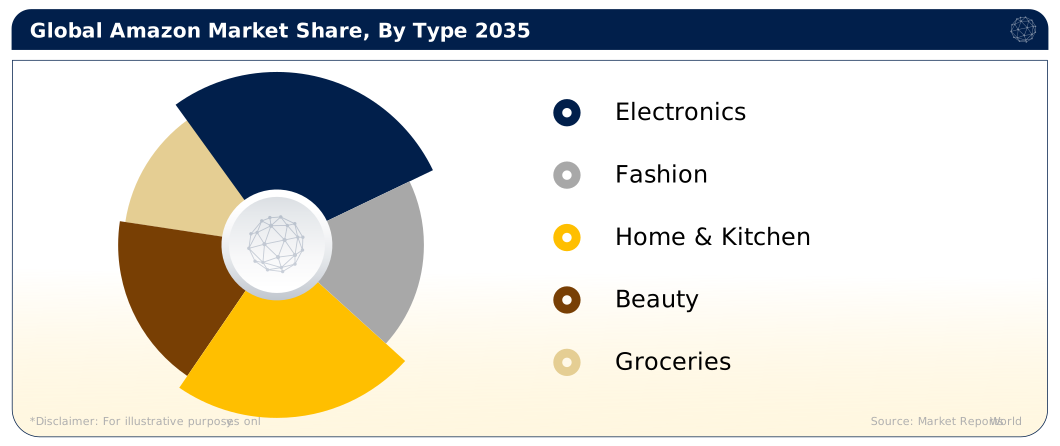
Based on Type, the global market can be categorized into electronics, fashion, home & kitchen, beauty, groceries, and books.
- Electronics: Electronics represent approximately 28% of Amazon market demand due to strong consumer interest in smartphones, computers, accessories, smart devices, and entertainment equipment. This category remains one of the most searched segments because consumers frequently compare specifications, prices, and reviews before purchasing. Amazon supports electronics brands through advertising tools, product recommendations, and fulfillment services. The category benefits from continuous technology innovation, increasing smart home adoption, and rising demand for connected devices. Consumer electronics sellers also use marketplace analytics to improve product visibility and inventory planning. The electronics segment remains a key contributor to Amazon’s product diversity and customer engagement because technology products attract frequent repeat searches.
- Fashion: Fashion accounts for approximately 22% of Amazon market activity, supported by increasing online clothing purchases, footwear demand, accessories, and lifestyle product adoption. The category has expanded through improved product visualization, customer reviews, personalized recommendations, and easier return processes. Amazon fashion sellers increasingly focus on private labels, seasonal collections, and digital marketing strategies to attract consumers. Mobile shopping has significantly influenced fashion purchasing behavior because consumers prefer browsing styles, comparing prices, and reviewing customer feedback through smartphones. The fashion segment continues to grow as brands use Amazon’s marketplace infrastructure to reach wider audiences while maintaining direct relationships with online shoppers.
- Home & Kitchen: Home and kitchen products represent approximately 20% of Amazon market demand due to rising consumer interest in household improvement, appliances, furniture accessories, and daily-use products. The category benefits from increasing home-based lifestyles and consumer preference for convenient online purchasing. Products such as kitchen tools, storage solutions, cleaning equipment, and home décor items maintain consistent demand throughout the year. Amazon provides sellers with access to customer insights, advertising solutions, and fulfillment capabilities that improve category performance. The home and kitchen segment remains important because it includes a broad range of essential products purchased by households, businesses, and professional users.
- Beauty: Beauty products contribute approximately 14% of Amazon market activity, supported by increasing demand for skincare, cosmetics, personal care products, and wellness-related items. Consumers increasingly use online platforms to discover new brands, compare ingredients, and review customer experiences before purchasing. Amazon enables beauty brands to reach global customers through product listings, promotional campaigns, and digital advertising solutions. The category benefits from rising interest in personalized beauty products and self-care routines. Independent beauty brands are increasingly using Amazon as a growth channel because marketplace access reduces traditional distribution barriers and provides direct consumer visibility.
- Groceries: Groceries account for approximately 10% of Amazon market demand as consumers increasingly adopt online grocery shopping for convenience and time savings. The category includes packaged foods, beverages, household essentials, and daily consumption products. Growth in grocery demand is supported by improved delivery networks, subscription purchasing options, and digital shopping habits. Amazon’s grocery segment benefits from customer loyalty programs and recurring purchase behavior. Consumers increasingly prefer online ordering for essential products because it allows easy comparison, automatic replenishment, and home delivery. Grocery expansion strengthens Amazon’s position as a complete lifestyle shopping platform.
- Books: Books represent approximately 6% of Amazon market demand and remain one of the platform’s foundational product categories. The segment includes printed books, educational materials, professional publications, and digital reading products. Amazon continues to support authors, publishers, and independent sellers through marketplace tools and global customer access. The books category benefits from strong demand among students, professionals, and general readers. Digital reading adoption and self-publishing platforms have expanded opportunities for content creators. Books continue to provide strategic value by attracting frequent visitors and strengthening Amazon’s position as a comprehensive online marketplace.
By Application
Based on Application, the global market can be categorized into B2C (Consumer Purchases), B2B (Business Sellers), and D2C (Direct-to-Consumer Sellers).
- B2C (Consumer Purchases): B2C consumer purchases represent approximately 65% of Amazon market activity, making it the largest application segment. Individual consumers use Amazon for purchasing electronics, fashion products, household items, groceries, and personal care products. The segment benefits from convenience, product variety, customer reviews, and fast delivery options. Personalized recommendations and artificial intelligence-based search features improve customer discovery and purchasing decisions. Mobile commerce has strengthened B2C growth as consumers increasingly prefer digital shopping platforms. Amazon’s customer-focused ecosystem, including subscription services and loyalty programs, supports frequent purchasing behavior and long-term consumer engagement.
- B2B (Business Sellers): B2B business sellers contribute approximately 20% of Amazon's market activity through organizations purchasing office supplies, industrial products, equipment, and professional materials. Businesses use Amazon because of simplified procurement processes, product availability, and supplier accessibility. The B2B segment supports small businesses, corporate buyers, and institutional customers seeking efficient purchasing solutions. Digital procurement adoption has increased demand for online business marketplaces. Amazon provides business-focused tools that help organizations manage purchasing workflows, track orders, and improve supply chain efficiency. This segment continues expanding as companies shift from traditional procurement methods toward online purchasing platforms.
- D2C (Direct-to-Consumer Sellers): D2C direct-to-consumer sellers represent approximately 15% of Amazon market activity as brands increasingly use marketplace infrastructure to reach customers directly. This model allows manufacturers and emerging brands to reduce dependence on traditional retail channels. D2C sellers benefit from Amazon advertising solutions, customer analytics, fulfillment services, and global marketplace access. Many startups and established brands use Amazon to test products, build brand recognition, and improve customer relationships. The growth of digital entrepreneurship has increased participation from independent sellers, strengthening Amazon’s marketplace diversity and competitive product environment.
Amazon Market Regional Outlook
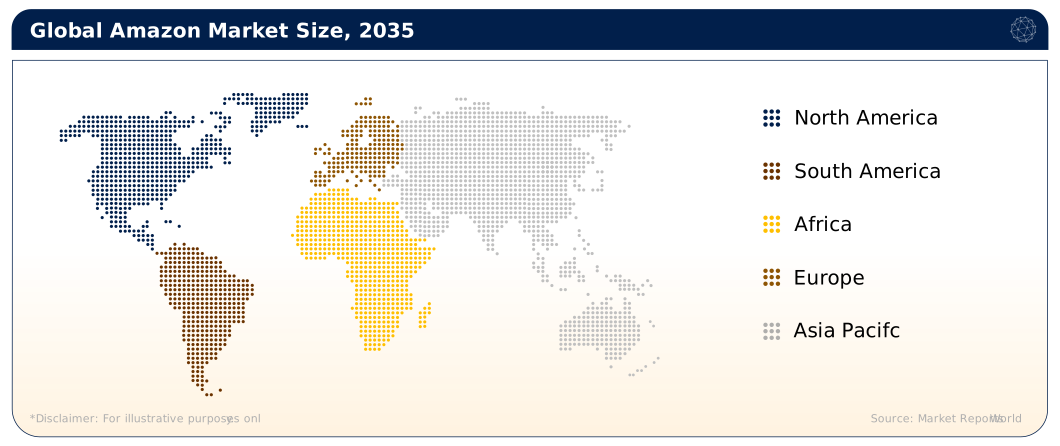
The Amazon market demonstrates strong global presence with regional differences based on digital commerce adoption, consumer purchasing behavior, logistics infrastructure, and seller participation. North America remains the leading region because of established online shopping habits and advanced delivery networks. Asia-Pacific is expanding due to rising internet penetration, smartphone adoption, and increasing participation from local sellers. Europe maintains steady growth through strong consumer trust in online marketplaces, while Middle East and Africa are developing through digital transformation initiatives. Rest of the World markets are supported by improving connectivity and growing acceptance of online retail platforms.
-
North America
North America holds approximately 42% share of the Amazon market, supported by strong consumer adoption and mature e-commerce infrastructure. The United States represents the largest contributor within the region due to high online shopping frequency and widespread marketplace usage. More than half of Amazon marketplace product activity involves third-party sellers, highlighting the importance of independent businesses. The region benefits from advanced logistics networks, strong digital payment adoption, and high customer engagement. Electronics, household products, fashion, and groceries remain major categories in North America. Businesses increasingly use Amazon for brand expansion, advertising, and direct customer access. The region continues to lead due to technological readiness, consumer confidence, and established online purchasing behavior.
-
Europe
Europe accounts for approximately a 25% share of the Amazon market, supported by strong digital shopping adoption across major economies. The region benefits from developed logistics infrastructure, increasing marketplace participation, and high consumer demand for electronics, fashion, and household products. European sellers increasingly use Amazon tools to expand beyond domestic markets. Regulatory focus on consumer protection and digital commerce standards influences marketplace operations. The region maintains strong demand because consumers value product comparison, customer reviews, and convenient delivery services. Amazon’s presence across multiple European countries supports cross-border commerce and enables businesses to reach wider customer groups.
Asia-Pacific
Asia-Pacific contributes approximately 22% share of the Amazon market and represents a major growth region due to increasing internet users, smartphone adoption, and expanding digital commerce ecosystems. Countries across the region are experiencing rising participation from small businesses and local brands using Amazon marketplace solutions. India and other developing markets are important growth centers because increasing digital connectivity is encouraging online purchasing. Amazon’s seller ecosystem supports regional entrepreneurs by providing logistics, advertising, and customer access tools. Electronics, fashion, beauty, and household products are among the strongest categories. The region’s young consumer population and technology adoption create significant opportunities for future marketplace expansion.
-
Middle East & Africa
Middle East and Africa represent approximately 7% share of the Amazon market, supported by increasing digital transformation and growing consumer interest in online shopping. Rising smartphone usage, improved internet access, and expanding payment infrastructure are encouraging marketplace adoption. Consumers in urban areas increasingly prefer online purchasing for electronics, fashion, beauty, and household products. Businesses are adopting digital marketplaces to improve customer reach and reduce traditional distribution challenges. The region offers opportunities through expanding e-commerce awareness and increasing participation from local sellers. Logistics improvements and digital infrastructure development continue to strengthen Amazon’s position in emerging markets.
-
Rest of the World
Rest of the World contributes approximately 4% share of the Amazon market, including markets where online commerce adoption is developing gradually. These regions benefit from improving internet connectivity, increasing smartphone penetration, and rising consumer awareness of digital shopping platforms. Amazon continues supporting international sellers and customers through marketplace expansion and logistics improvements. Demand for electronics, books, fashion products, and household goods remains significant. Growing digital payment adoption and changing consumer purchasing habits are creating new opportunities. The region represents an emerging area where online retail platforms can support businesses seeking broader customer access.
KEY INDUSTRY PLAYERS
The Amazon market includes a dominant global marketplace provider supported by millions of sellers, technology partners, logistics providers, and digital commerce participants. Amazon maintains a strong competitive position through marketplace expansion, artificial intelligence integration, cloud-based infrastructure, advertising solutions, and fulfillment capabilities. The company focuses on improving customer experience through personalized recommendations, automated logistics, voice-enabled shopping, and seller support tools. Competitive strategies include expanding product categories, strengthening supply chain networks, improving delivery efficiency, and developing technology-driven commerce solutions. Emerging sellers and direct-to-consumer brands increasingly use Amazon infrastructure to access global customers, creating a diverse and competitive marketplace environment.
List of Top Amazon Companies
- Amazon (USA)
List of Top 2 Companies Market Share
- Amazon controls approximately 42% of the global marketplace presence through extensive product categories, logistics networks, and customer engagement platforms.
- Third-party sellers represent approximately 60% of marketplace product units, strengthening Amazon’s seller ecosystem and product availability.
Investment Analysis and Opportunities
The Amazon market continues to attract investment opportunities through artificial intelligence, automation, logistics technology, and digital commerce expansion. Investors are focusing on areas such as warehouse robotics, personalized shopping systems, seller technology platforms, and sustainable delivery solutions. Artificial intelligence adoption is becoming a key investment area as businesses seek improved inventory forecasting, customer engagement, and operational efficiency. More than half of Amazon marketplace activity involves third-party sellers, creating opportunities for seller-focused software, advertising technologies, and business support services. Emerging markets also provide growth opportunities due to increasing internet accessibility and smartphone-based shopping adoption. Investments in fulfillment infrastructure, cloud-supported retail solutions, and advanced analytics continue shaping future marketplace development.
New Product Development
New product development in the Amazon market focuses on artificial intelligence-powered shopping tools, smart devices, automated logistics solutions, and improved seller technologies. Amazon continues developing digital commerce capabilities that enhance customer personalization, product discovery, and operational efficiency. Artificial intelligence systems are being integrated into search functions, recommendation engines, and seller assistance tools to improve marketplace performance. Smart home products and connected devices remain important innovation areas as consumers adopt technology-enabled lifestyles. More than half of online shopping interactions involve digital devices, encouraging companies to develop mobile-focused commerce solutions. Product innovation also includes sustainable packaging, faster delivery technologies, and improved supply chain management systems.
Amazon Five Recent Developments (2025–2026)
- January 2025 – Amazon Launches Advanced Artificial Intelligence Shopping Assistant Technology
Amazon introduced artificial intelligence shopping capabilities using machine learning models to improve customer recommendations, product discovery accuracy, personalized assistance, and automated purchasing support across digital commerce platforms.
- March 2025 – Amazon Expands Automated Warehouse Robotics Infrastructure Globally
Amazon expanded robotic fulfillment systems by integrating advanced automation technologies, improving warehouse efficiency, inventory management capabilities, operational accuracy, and delivery preparation processes.
- June 2025 – Amazon Introduces Enhanced Seller Intelligence Platform Features
Amazon upgraded seller analytics tools by adding artificial intelligence capabilities, helping businesses optimize product listings, customer engagement strategies, inventory planning, and marketplace performance.
- February 2026 – Amazon Develops Sustainable Delivery Technology Solutions
Amazon advanced sustainable logistics initiatives by implementing cleaner transportation technologies, improving delivery efficiency, reducing environmental impact, and supporting long-term supply chain transformation.
- May 2026 – Amazon Strengthens Global Digital Commerce Infrastructure Expansion
Amazon expanded marketplace infrastructure through technology investments, improving international seller access, customer connectivity, digital payment integration, and cross-border commerce capabilities.
Amazon Market Report Coverage
The Amazon market report provides comprehensive analysis of marketplace structure, product categories, applications, regional performance, competitive landscape, investment opportunities, and technological developments. The report examines major segments including electronics, fashion, home and kitchen, beauty, groceries, and books while analyzing consumer purchases, business sellers, and direct-to-consumer seller models. The study evaluates regional contributions from North America, Europe, Asia-Pacific, the Middle East and Africa, and the Rest of the World. The report highlights artificial intelligence adoption, logistics advancement, seller ecosystem expansion, and digital commerce trends shaping the Amazon market. It includes analysis of key market drivers, restraints, opportunities, challenges, and recent industry developments.
Amazon Market Report Scope & Segmentation
| REPORT COVERAGE | DETAILS |
|---|---|
| Market Size Value In | USD 646435.5 Million in 2026 |
| Market Size Value By | USD 1249240 Million by 2035 |
| Growth Rate | CAGR of 6.81% from 2026-2035 |
| Forecast Period | 2026 - 2035 |
| Base Year | 2025 |
| Historical Data Available | Yes |
| Regional Scope | Global |
| Segments Covered |
By Type
Electronics | Fashion | Home & Kitchen | Beauty | Groceries | Books
By Application
B2C (Consumer Purchases) | B2B (Business Sellers) | D2C (Direct-to-Consumer Sellers)
|
Frequently Asked Questions
The global Amazon Market is expected to reach USD 1249240 Million by 2035.
The Amazon Market is expected to exhibit a CAGR of 6.81% by 2035.
Amazon (USA)
In 2026, the Amazon Market value stood at USD 646435.5 Million.
RELATED REPORTS

OUR
CLIENTS


.svg)
